
Diagnosis is Just the Beginning
Over recent years, increasing awareness of neurodevelopmental conditions has led many families to seek assessments in the hope of better understanding their child's experiences. By the time an assessment takes place, parents have often spent many months, and sometimes years, trying to make sense of behaviours, emotions and patterns of development that have felt different from those of other children. Receiving a diagnosis can therefore be an important moment. It may provide an explanation for difficulties that have previously felt confusing, reassure parents that their concerns were justified and, in some cases, improve access to support within education and healthcare.
Whilst a diagnosis can be valuable, I have found myself wondering whether, as a society, we have unintentionally come to view diagnosis as the destination. The focus understandably becomes reaching the assessment, yet much less attention is often given to what should happen afterwards.
A diagnosis tells us whether a child meets the criteria for a particular condition. It provides an important framework for understanding their presentation. What it cannot tell us is how that diagnosis is affecting this individual child, which aspects of their presentation are having the greatest impact on their daily life, or what support is most likely to help them. These are different questions, and they require a different kind of understanding.
This distinction matters because two children with the same diagnosis may have very different experiences. One child may be managing well academically but finding social relationships increasingly difficult. Another may experience sensory differences that affect their ability to manage the school environment. For another child, anxiety may have become the most significant concern, whilst someone else may be struggling with emotional regulation, self-esteem or adapting to change. Although they share the same diagnosis, their needs are unlikely to be the same.
The NICE guidance on autism assessment in children and young people recognises that an assessment should consider a child's strengths, needs, development, physical and emotional health, communication, learning and day-to-day functioning. It also states that families should be offered information about appropriate services and support following the assessment.
More broadly, NHS England's work on autism assessment pathways identifies post-assessment support as a distinct stage of the diagnostic process. It notes that families should be helped to understand and manage the outcome, while those who do not receive a diagnosis may still benefit from advice and signposting. This feels important because the difficulties that led a family to seek an assessment do not disappear simply because a child does not meet a particular diagnostic threshold.
The same principle applies to ADHD. The NICE guidance on ADHD diagnosis and management does not treat diagnosis as an isolated event; it considers ongoing management, support and the child's individual circumstances. The purpose of assessment is therefore not simply to establish whether diagnostic criteria are met, but to provide a basis for deciding what should happen next.
Post-assessment support should begin by considering the child as an individual. This means understanding which aspects of their presentation are creating the greatest difficulty, how these affect their relationships, emotional wellbeing, education and family life, and what strengths can be drawn upon. For some children, the most pressing concern may be anxiety or low self-esteem. For others, it may be difficulties with friendships, sensory demands, emotional regulation or understanding their diagnosis. The support offered should reflect those differences rather than being determined by the diagnostic label alone.
At The Integratis Clinic, we view assessment as the starting point for developing a fuller understanding of the child. Whether a child has received a diagnosis, is waiting for an assessment or continues to experience difficulties without meeting diagnostic criteria, our focus is on understanding their individual strengths, needs and current concerns. From there, we can consider the therapeutic, practical or wider support that may be most helpful.
If your child has recently received a diagnosis, is waiting for an assessment or you are uncertain about what should happen next, we offer a free 15-minute consultation to discuss your concerns and consider the support that may be appropriate.
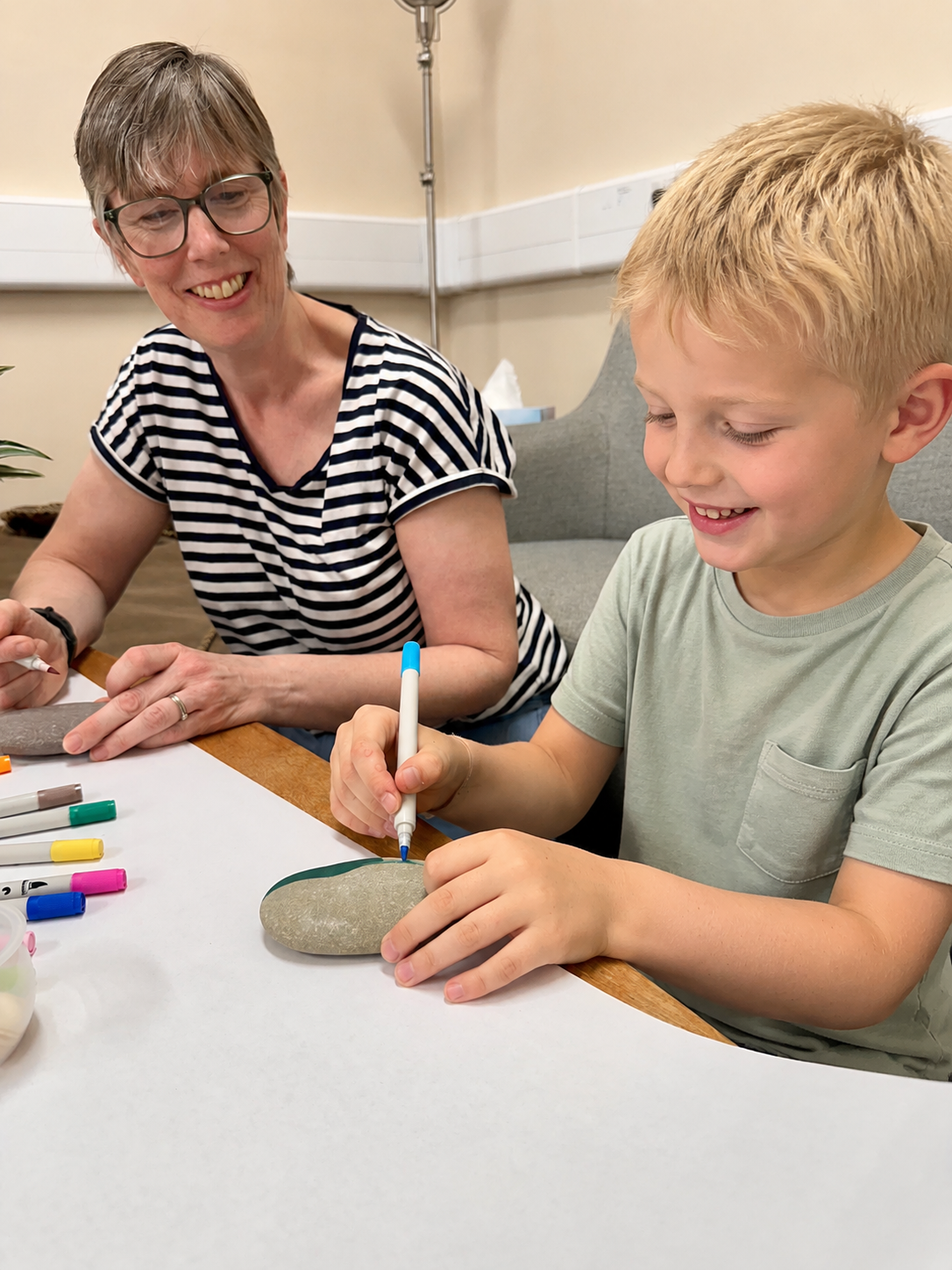
Child Therapy
Our child therapists work with children experiencing anxiety, emotional, behavioural and neurodevelopmental difficulties, helping them make sense of their experiences and develop healthier ways of coping.
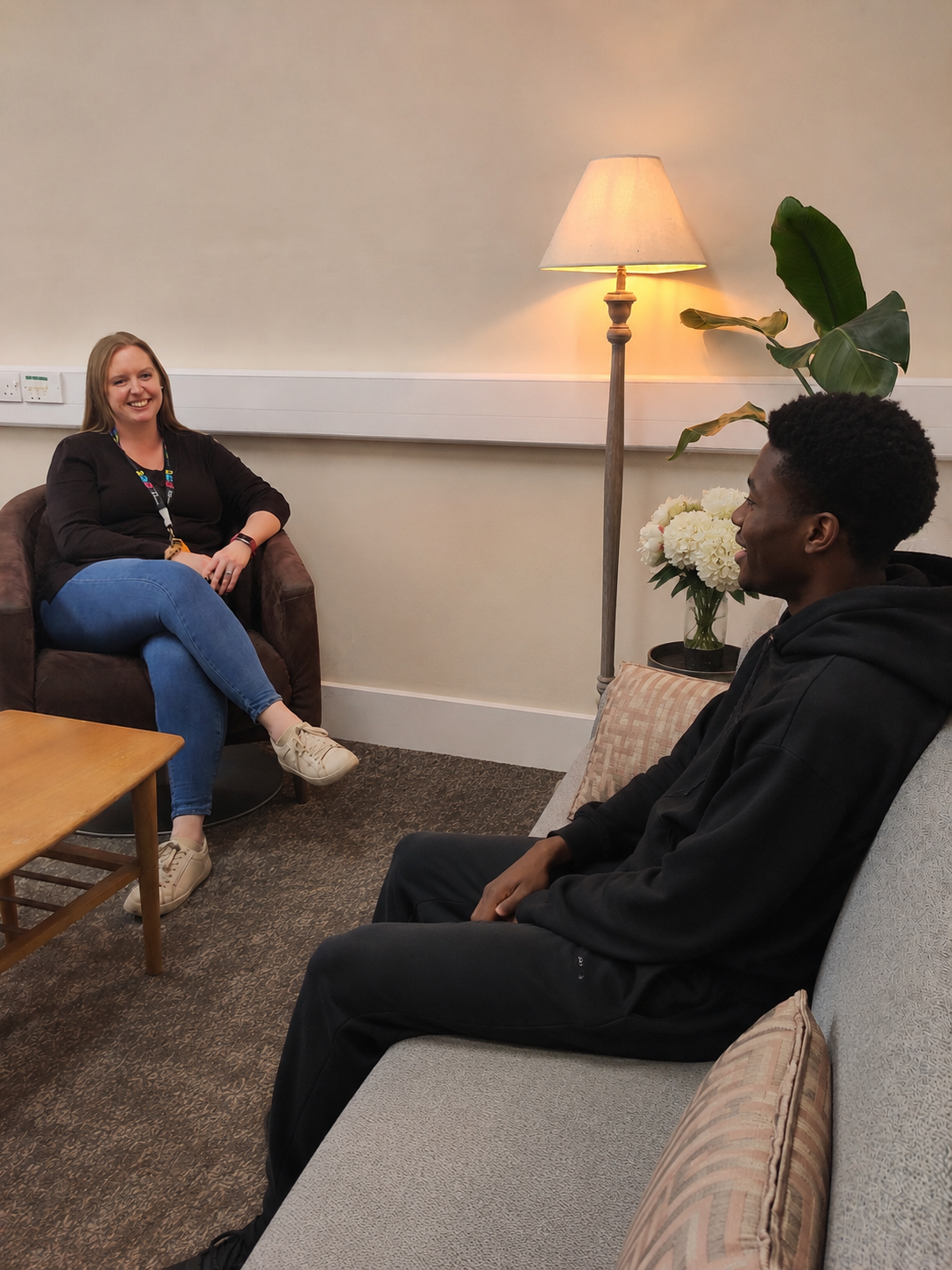
Teen Counselling
We support teenagers and young adults experiencing anxiety, low mood, emotional difficulties and neurodevelopmental differences, helping them better understand themselves and navigate the challenges they are facing.