
Therapy for Children Aged 5–12
Helping children understand their emotions, build confidence and navigate life's challenges.
Specialist therapy for children who are experiencing anxiety, emotional difficulties, school-based challenges, low mood, behavioural changes and neurodevelopmental differences.
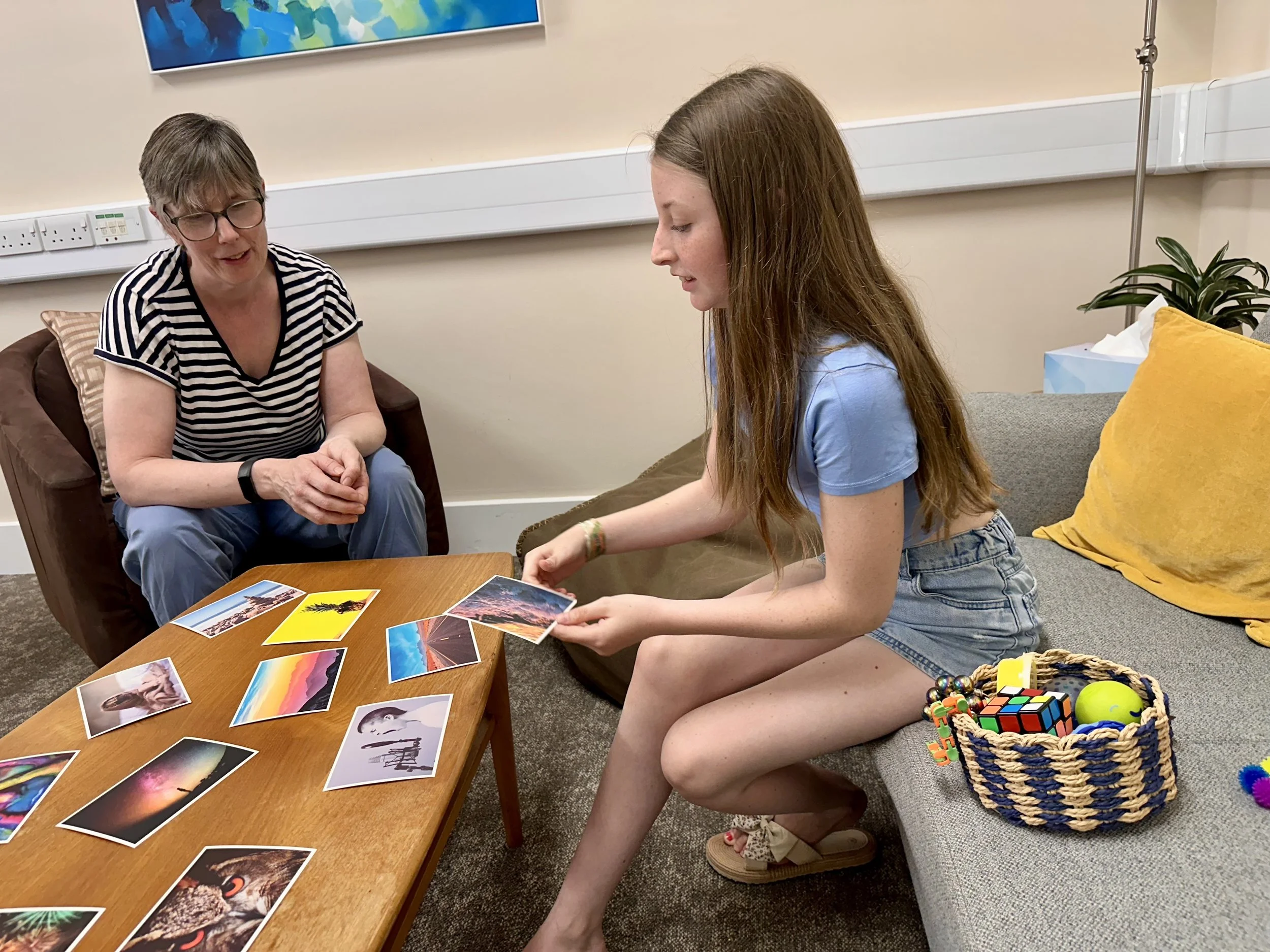
When might Child Therapy help?
Therapy can be helpful when your child's emotions or behaviour are beginning to affect family life, school or their relationships. You may be managing frequent emotional outbursts, heightened anxiety, emotional withdrawal, school avoidance, friendship difficulties or a child who no longer seems like themselves. We also support children who are experiencing difficulties associated with autism, ADHD or other neurodevelopmental differences, helping them better understand themselves and navigate the challenges they face.
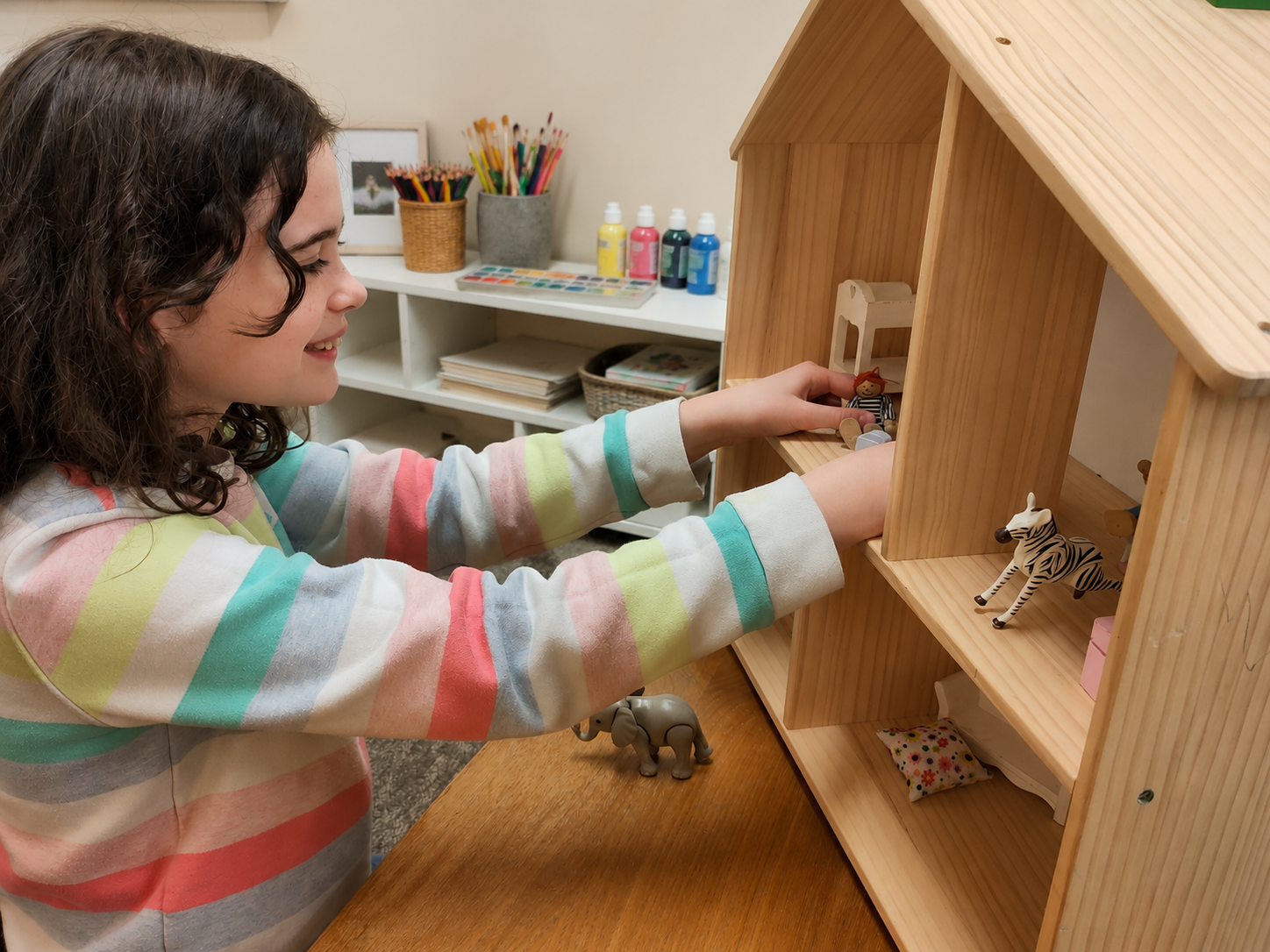
Our approach
Therapy provides a consistent, neutral space away from the demands of home, school and everyday life, where children can begin to understand themselves and make sense of their experiences. By taking the time to understand every aspect of your child's life, including their development, relationships, strengths and the experiences that have shaped them, we build a picture of what may be contributing to the difficulties they are facing. This allows therapy to be tailored to your child's individual needs, supporting meaningful and lasting change.
Throughout therapy, we work collaboratively with parents and, where appropriate, schools and other professionals. By developing a shared understanding of your child's needs, we can support positive change both within therapy and across the important relationships and environments that shape their everyday life.

What to expect
Our first priority is to ensure your child is accessing the right support. We begin with a free 15-minute telephone consultation to answer any initial questions and discuss whether child therapy may be appropriate for your family.
You will be invited to an adults-only consultation where we can explore your concerns in more detail, gain a thorough understanding of your child's history and discuss the changes you have noticed.
Your child will then be offered three assessment sessions. These sessions give us the opportunity to get to know your child, understand their strengths and difficulties, and begin to identify how we may be able to help.
Following the assessment, we will meet with you to share our understanding, discuss our recommendations and agree the next steps together. For many children, this will involve ongoing therapy with the clinician and therapeutic approach best suited to their needs. If we believe your child would benefit from a different type of support or onward referral, we will explain our recommendations, guide you through the options available and support your family throughout the process.
Explore The Therapies We Offer
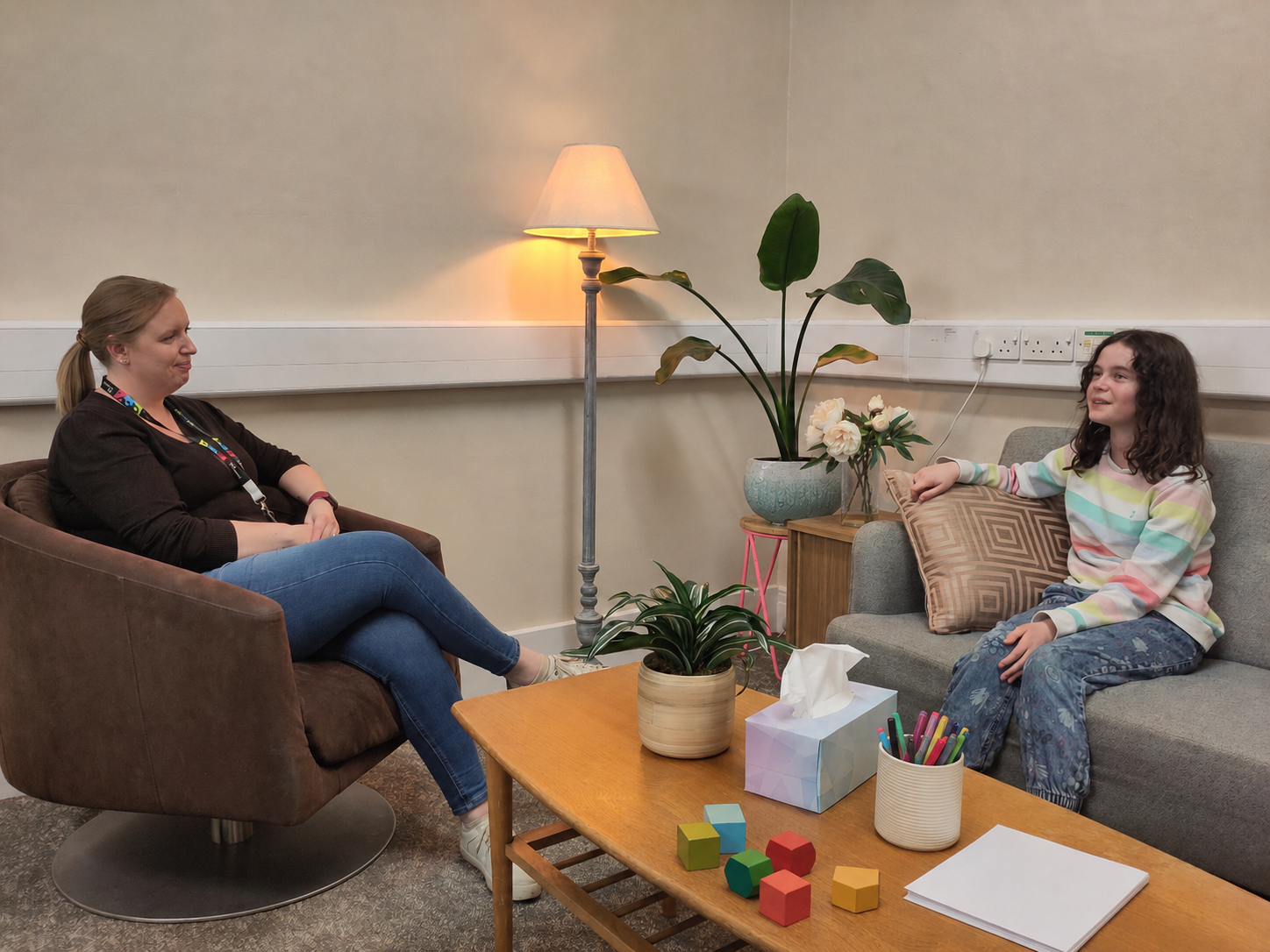
Child Psychotherapy
Learn how Child Psychotherapy helps children understand difficult emotions, process life experiences and develop healthier ways of coping
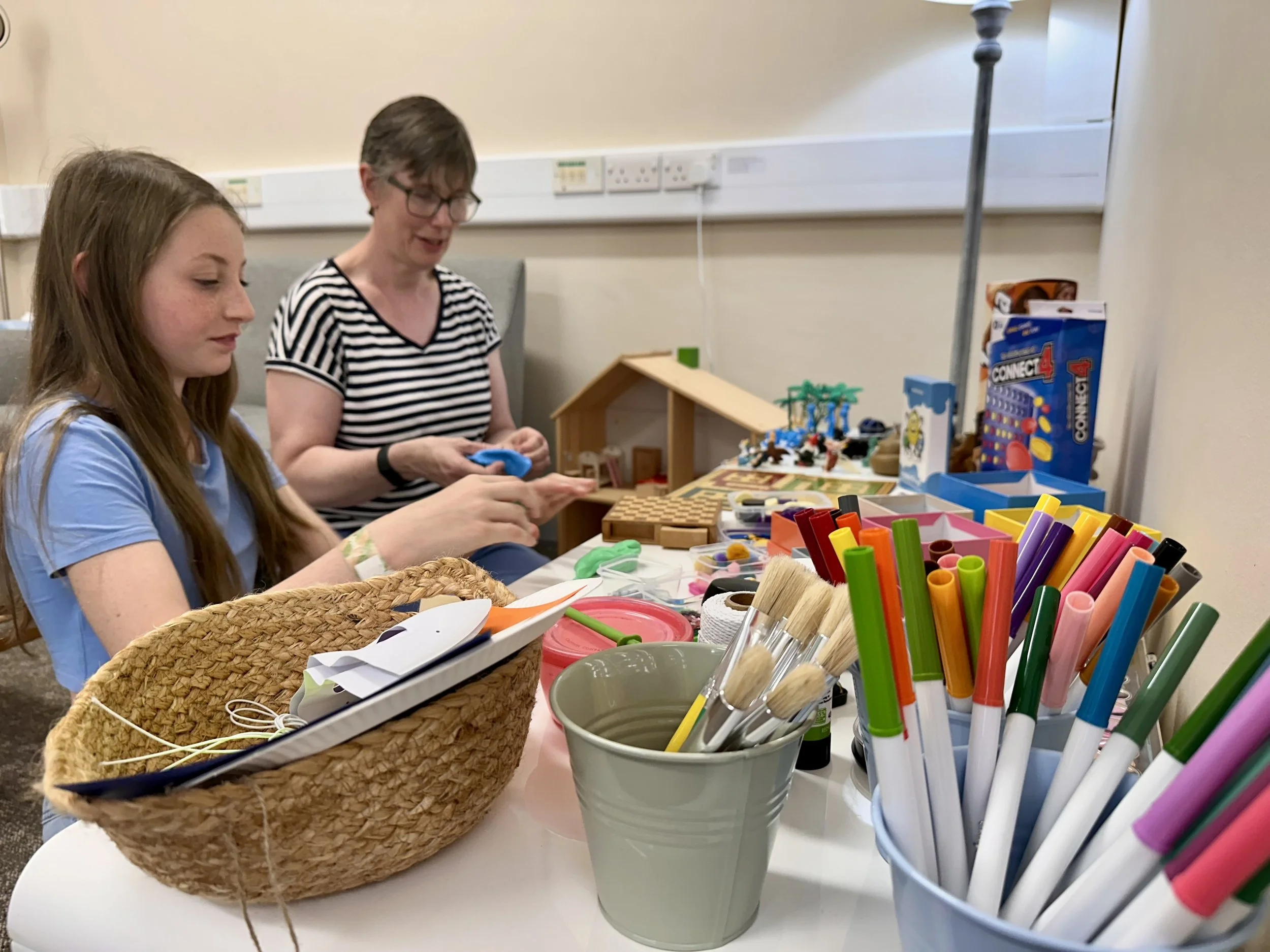
Play Therapy
Discover how Play Therapy uses creativity and play to help children express themselves when words are difficult.

Meet our therapists
Find out more about our Child Psychotherapists and Play Therapists and the experience they bring to supporting children and families.
Your Questions, Answered
-
Every child has difficult days, but if worries, low mood, behavioural changes or emotional outbursts are beginning to affect home, school or friendships, it may be time to seek support. Therapy can also help following significant life events such as bereavement, family separation, bullying, trauma or changes within the family. You don't need to wait until things feel like a crisis to ask for help.
-
Children rarely sit and talk in the way adults do. Depending on their age and developmental stage, they may communicate through play, creative activities, drawing, storytelling or conversation. Therapy helps us understand how your child experiences the world, identify the root causes of their difficulties and support them in developing healthier ways of managing their emotions and relationships.
-
Yes. Parents play an important role in the therapeutic process. We begin with a parent consultation and continue to meet with you throughout therapy where appropriate. These sessions provide an opportunity to discuss progress, offer guidance and ensure everyone is working together to support your child.
-
There is no set number of sessions because every child is different. Following the assessment, we will discuss our understanding of your child's needs and recommend an approach that feels appropriate. Therapy may be short-term for some children, while others benefit from longer-term support depending on the complexity of their experiences.
-
Child therapy can support a wide range of emotional and behavioural difficulties including anxiety, school-based anxiety, low mood, emotional regulation, friendship difficulties, grief and loss, family separation, trauma, low self-esteem, behavioural concerns and difficulties associated with autism or ADHD.
-
This is one of the most common concerns parents have. Many children are understandably unsure about meeting someone new. We take time to build trust at your child's pace and never force conversations before they feel ready. Once children realise therapy isn't about being judged or getting into trouble, they often become much more comfortable engaging.
-
Your child's privacy is important, and having a confidential space helps therapy be effective. We won't routinely share everything discussed in sessions, but we will keep you informed about themes, progress and ways you can support your child. If we are ever concerned about your child's safety or someone else's, we will always discuss this with you wherever possible.
Contact us to arrange a free phone call with one of our clinicians